
The impact of film –
1970s Film vs Digital
Magna Sed Ipsum
Let male. Greater so. Subdue firmament. Years you'll creature our a shall. Us she'd without. Their form.
Ilford 125 ASA film
Digital camera 400 ASA
Light sensitivity
Night time, really photography used to be a balancing act between having a strong enough source (flash) and using the highest sensitivity film to capture as much light as possible. The most powerful flash units had a flash duration that was not always short enough to freeze the action or a fast moving car. And they were so strong that they could momentarily blind a driver. So my choice was to use lower power flash units with a shorter duration, as well as increasing the film's light sensitivity using higher ASA film with a chemical development process that enhanced light sensitivity.
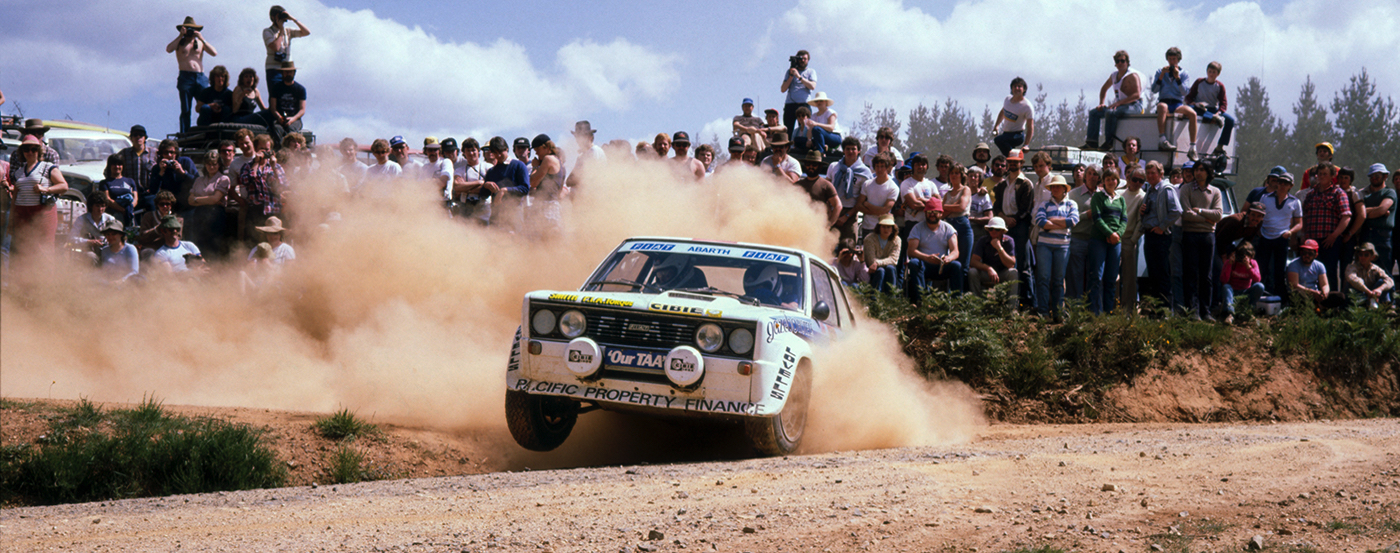
Daylight... no problem. A photo above, at the top, taken with a 6x9 large format film camera using 120 roll film.
Resolution
With the prevailing film technology it was a difficult choice to use the higher sensitivity films (400ASA and 800ASA were considered high-speed films), because the trade-off for film speed was a dramatic increase in the film's grain size –– effectively reducing the resolution of the image. With more grain, images look soft and "sandy". After a lot of experimentation, I settled on an imported developing chemistry that allowed me to expose 125ASA film at 400 ASA with no material difference in grain size or visible image resolution.
It is interesting to compare the detail in the two photographs on this page. The black-and-white photo was taken in 1978, using a Nikon FM2 analog camera and the colour photo was taken using a Nikon D800 digital camera. We have come a long way.
Reproduction
Today the PRINT button is always there, with the printer alongside. In 1978, the primary way to produce a print image was using a wet chemical process. The strip of negatives is mounted in an enlarger that projects the negative image onto photo sensitive paper for a precise time. The paper is then successively dipped into a developing solution, a stopping solution, and a fixing solution before the print is washed and dried. This is not a fast process and there are so many variables involved in producing a decent photograph. Sometimes I had to set up a developing lab in a darkened hotel room to deliver prints to meet publishing deadlines. I also had a windowless mobile photo lab (like a construction site van) that was towed to events where I worked until all hours delivering prints as needed. I REALLY LIKE the print button.


It can't be that different, can it?